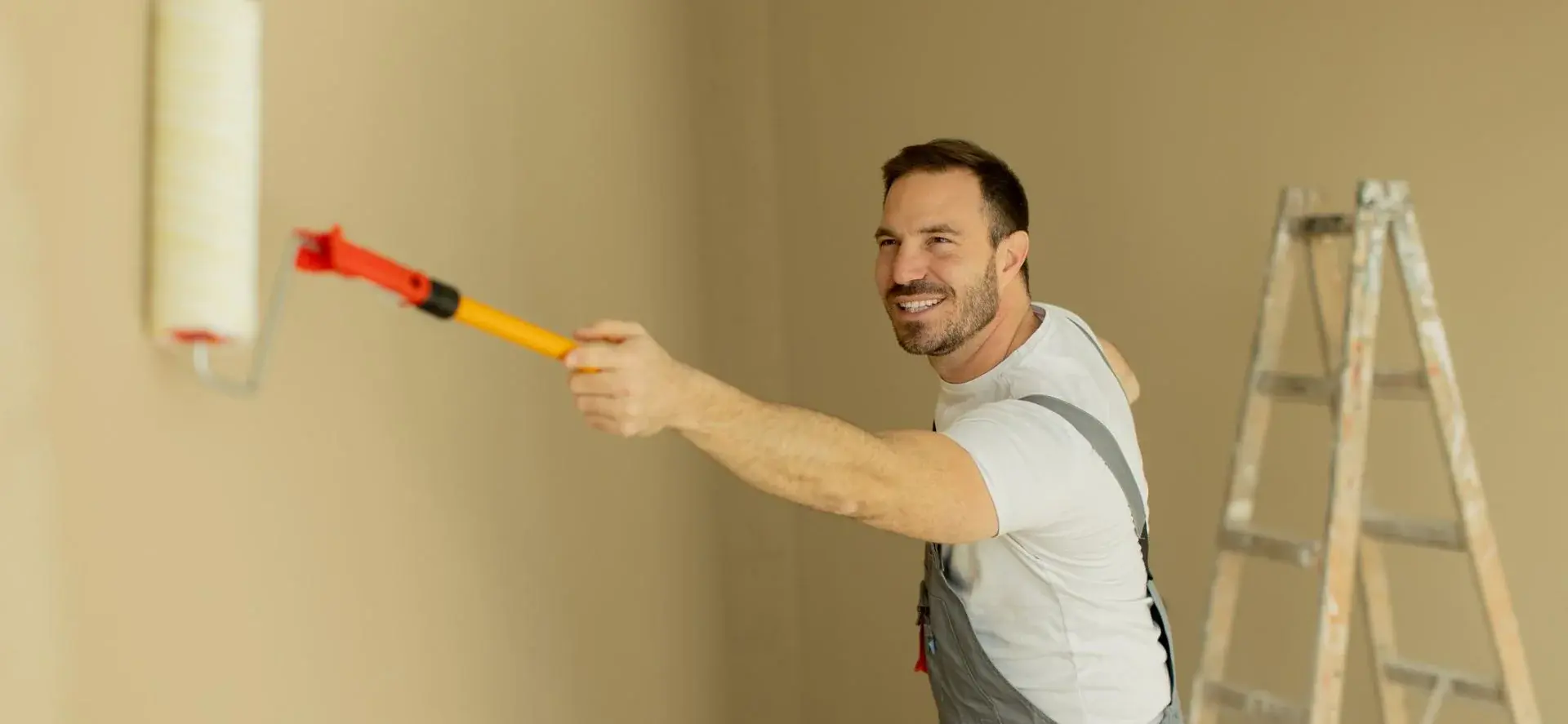
The Complete Home Painting Process: Step by Step
Painting your home is more than adding colour to walls. A proper painting process protects surfaces, improves value, and lifts street appeal. When done right, the results last for years.
Many homeowners rush into painting without understanding the process in painting. They focus only on colour selection. However, preparation and technique matter more than most people realise.
If you plan to refresh your property, consider professional services like Exterior Painting Melbourne or Interior Painting Melbourne. Experts follow a structured house painting process that ensures long-lasting results.
In this guide, we explain the full painting process step by step so you know exactly what happens from start to finish.
Step 1: Initial Inspection and Planning
Every successful house painting process starts with a thorough inspection. Painters assess walls, ceilings, trims, and exterior surfaces. They look for cracks, mould, peeling paint, and water damage.
Planning is a critical part of the process in painting. The team decides which surfaces need repair. They also determine how many coats the job requires.
Colour consultation often happens at this stage. Professionals recommend finishes suited to each room. For example, low-sheen suits living areas, while semi-gloss works well on trims.
Clear planning reduces mistakes later. It also keeps the entire painting process step by step organised and efficient.
Step 2:Surface Preparation
Preparation takes the most time in the painting process. Skipping this step leads to peeling, bubbling, and uneven coverage.
Cleaning the Surfaces
Painters wash walls to remove dust, grease, and grime. Exterior surfaces often require pressure washing. Clean surfaces help paint adhere properly.
This cleaning stage is essential in the process in painting. Without it, even premium paint will fail.
Repairs and Sanding
Next, the team fills cracks and holes with suitable filler. They sand rough patches to create a smooth base. On timber surfaces, they remove loose or flaking paint.
Repairs strengthen the entire house painting process. Smooth surfaces ensure a professional finish.
Masking and Protection
Painters cover floors, furniture, and fixtures with drop sheets. They tape edges for crisp lines. Proper masking speeds up the painting process step by step and prevents costly damage.
Preparation may feel repetitive, but it forms the backbone of the process in painting.
Step 3:Priming the Surfaces
Primer plays a major role in the painting process. It seals porous surfaces and blocks stains. It also improves paint adhesion.
Fresh plasterboard, timber, and repaired areas always need primer. On exteriors, primer protects against moisture and harsh UV rays.
Priming strengthens the overall house painting process. It ensures even colour and long-term durability.
Many homeowners skip primer to save time. However, professionals know it is a non-negotiable step in the process in painting.
Step 4: Applying the First Coat
Once surfaces are ready, painters begin applying paint. They usually start with ceilings, then walls, and finish with trims.
This stage marks the visible part of the painting process step by step. However, technique still matters greatly.
Painters cut in around edges with brushes. They then roll large areas evenly. They maintain a wet edge to avoid lap marks.
The first coat often reveals minor imperfections. The team inspects everything carefully before moving forward in the painting process.
Step 5: Drying and Light Sanding
After the first coat dries, painters inspect the finish. They lightly sand uneven spots. This creates a smooth base for the next coat.
This sanding stage refines the process in painting. It removes dust particles and roller marks.
Skipping this step weakens the final result. A smooth second coat depends on careful preparation within the house painting process.
Step 6: Applying the Second Coat
The second coat delivers full colour depth and coverage. It enhances durability and consistency.
Professional painters apply the second layer using the same controlled method. They focus on even strokes and clean edges.
This stage completes the core painting process step by step. Two coats usually provide the best finish for most homes.
In some cases, darker colours require a third coat. Painters decide this during the final inspection of the painting process.
Step 7: Detail Work and Finishing Touches
Detailing separates average work from premium results. Painters touch up trims, doors, and corners.
They remove masking tape carefully. They check lines and edges for precision.
This final detailing stage completes the process in painting. Attention to detail ensures your home looks flawless.
In a professional house painting process, painters never rush this stage.
Step 8: Final Inspection and Clean-Up
The last part of the painting process step by step involves inspection and clean-up. Painters walk through the property with the homeowner.
They confirm colour consistency and smooth finishes. They address any minor touch-ups immediately.
Clean-up includes removing drop sheets, reinstalling fixtures, and disposing of waste responsibly. A tidy site reflects a disciplined process in painting.
Once complete, the entire house painting process leaves your home refreshed and protected.
Why Following the Correct Painting Process Matters
A structured painting process improves durability. It also enhances appearance and property value.
When professionals follow the correct painting process step by step, paint lasts longer. It resists cracking and fading.
The proper process in painting also saves money over time. You avoid frequent repainting and repairs.
Whether you repaint interiors or exteriors, a disciplined house painting process ensures consistent results across all surfaces.
Interior vs Exterior Painting Differences
Interior jobs focus on aesthetics and indoor air quality. Exterior jobs must handle sun, wind, and rain.
Exterior projects often involve more preparation. Weather conditions influence the painting process significantly.
Interior projects require careful furniture protection and ventilation. Each environment shapes the process in painting differently.
Professional painters adjust the house painting process based on surface type and climate conditions.
Final Thoughts
Understanding the full painting process step by step helps you plan better. It also sets realistic expectations.
The correct process in painting takes time and skill. Preparation, priming, and detailing all matter.
A professional painting process delivers long-lasting beauty and protection. Whether you update one room or repaint the entire home, follow a structured house painting process for the best results.
When done properly, the transformation feels seamless. Your home looks fresh, modern, and well maintained for years to come.

Marcus Langley
Lead Color Consultant & Senior Painter
Marcus Langley is a certified painter and color consultant with 14 years of experience transforming homes and businesses across Melbourne. He specializes in interior work, exterior coatings, and decorative finishes, and loves helping homeowners find the perfect color for every space.